
This week, we explored benchmarking numbers from 0–100 — and wow, it was trickier than we first thought! At first, it felt a little confusing to think about where numbers should go on a number line without any help. But by taking small, steady steps, we built our understanding and confidence.
We began by working with a number line that showed all the tens — 0, 10, 20, 30, and so on up to 100. This helped us see the pattern and spacing between each group of ten.
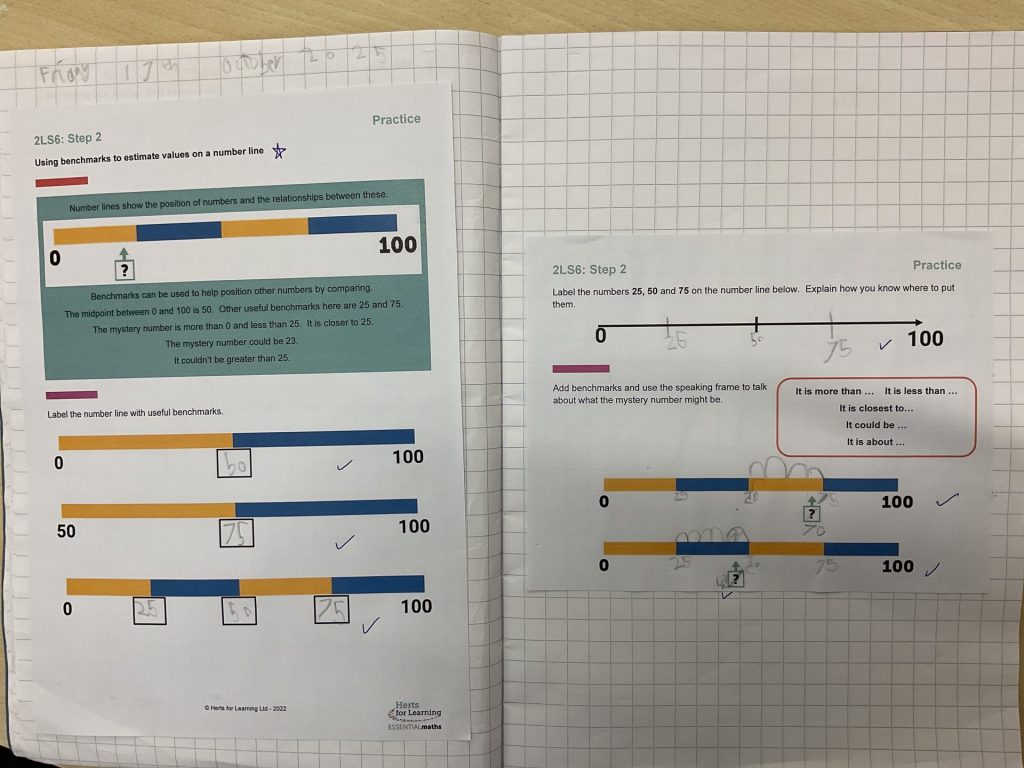
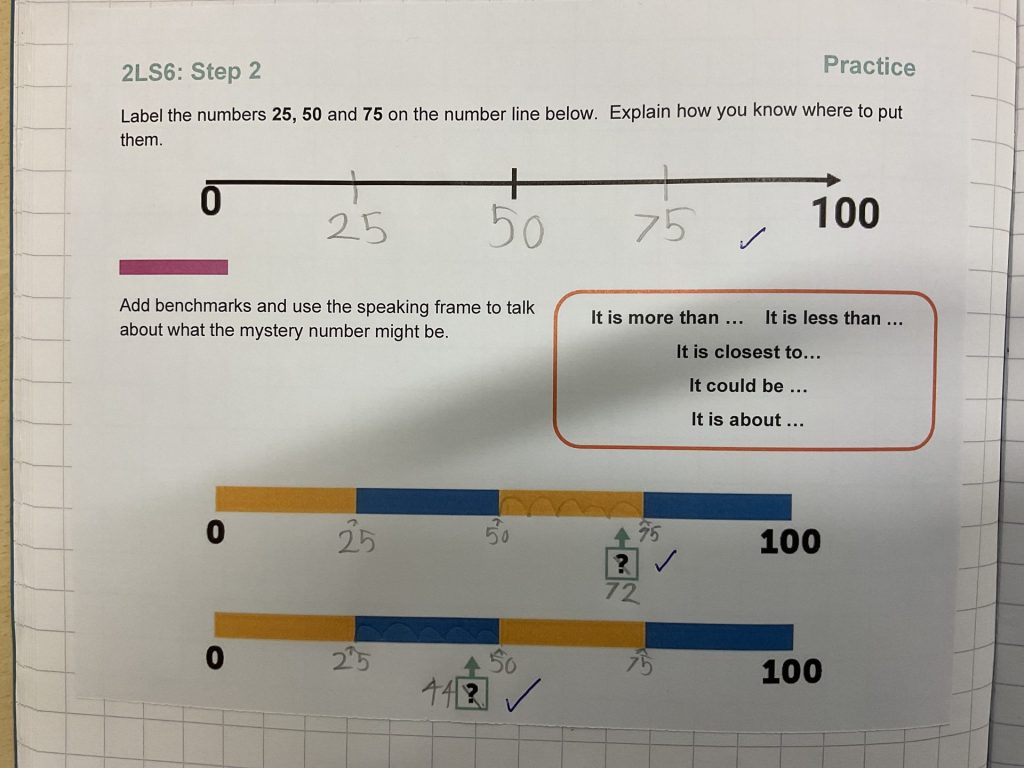
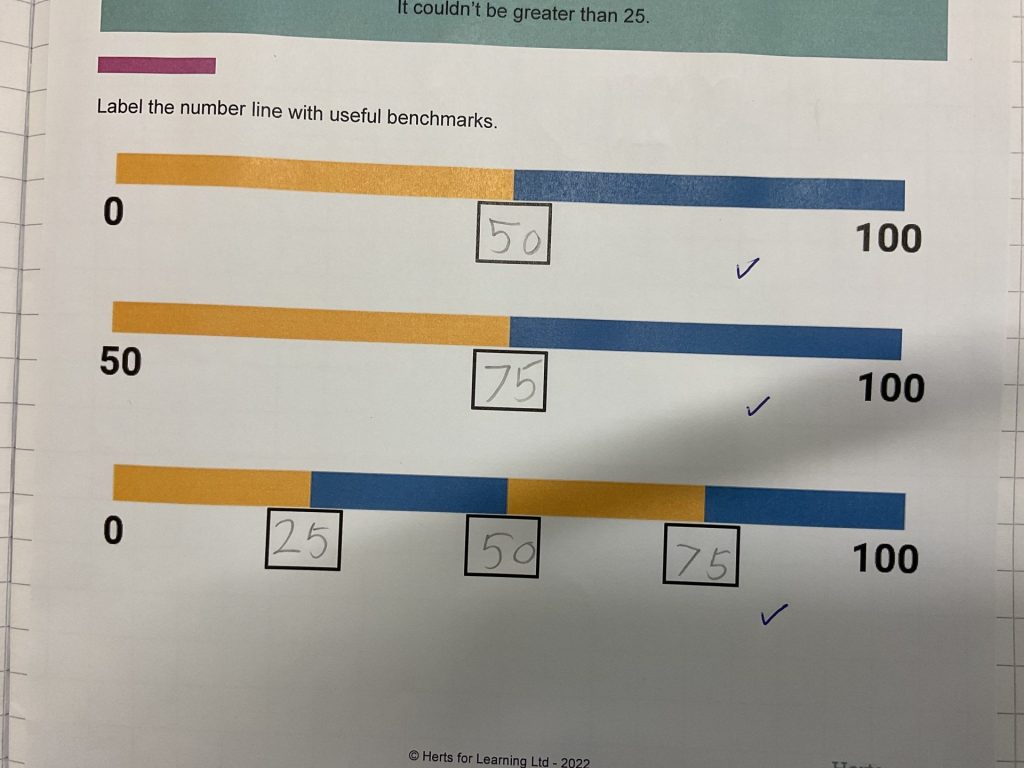
Next, we challenged ourselves by taking away most of those numbers and only keeping the benchmarks 25, 50, and 75. Using what we already knew about the number line, we practiced estimating where other numbers would fit between those key points.
To make it more fun (and a little competitive!), we rolled two dice — one for the tens and one for the ones — to make a two-digit number. Then we had to place our number where we thought it belonged on the number line. This helped us develop our estimation and reasoning skills.
Finally, we faced the ultimate test: a blank number line! Using our understanding of quartiles and midpoints, we marked out 25, 50, and 75, then added in our tens using estimation. It was great to see how our confidence grew from needing lots of support to being able to place numbers independently.

Top 3 Tips to Try at Home
-
🎲 Roll and Place: Roll two dice to make a two-digit number and challenge your child to show roughly where it belongs on a blank line from 0–100.
-
🧮 Number Talk: Pick any number and ask, “Is it closer to 0, 50, or 100?” Talking through the reasoning helps build number sense.
-
🏠 Everyday Estimation: When you see numbers at home (like prices, page numbers, or house numbers), ask, “What two tens is it between?” or “Where would that go on our number line?”