In science, we have been exploring the fascinating world of seeds and bulbs. We started by learning that most plants grow from either seeds or bulbs, and we were surprised to discover that many everyday foods, such as onions and sunflower seeds, are actually bulbs or seeds too!
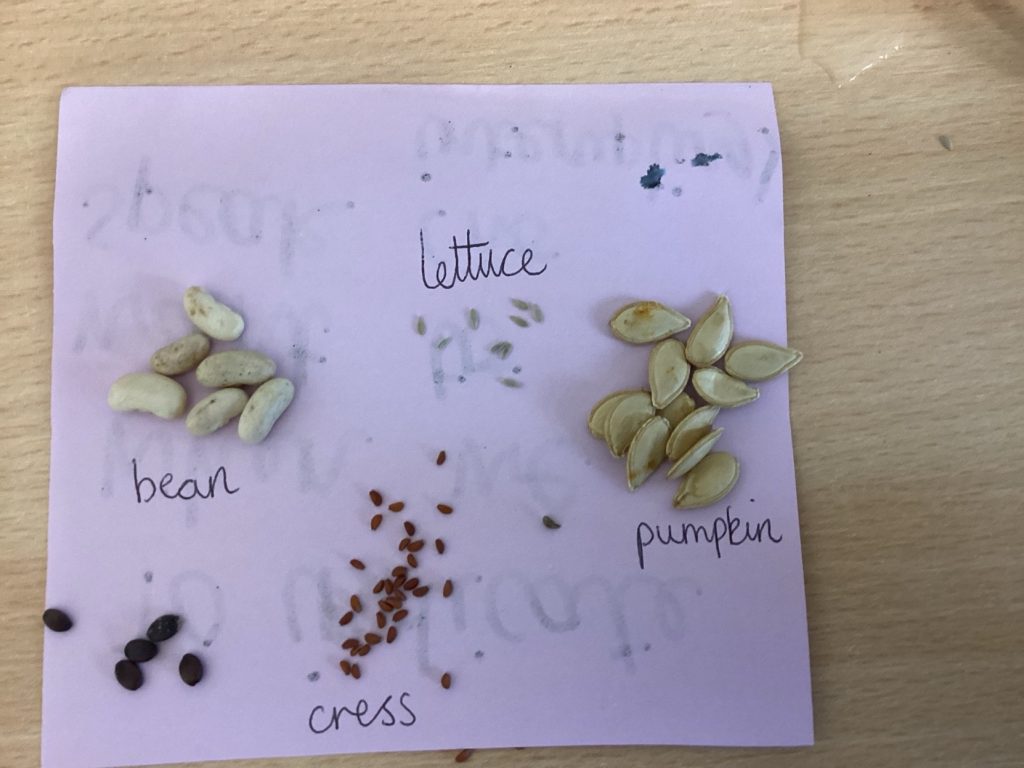
To investigate further, we compared a variety of seeds, looking closely for similarities and differences in colour, size, and shape. Using magnifying glasses made the experience even more exciting, allowing us to spot tiny details we might not normally see.
Next, we explored bulbs. By carefully cutting them in half, we were able to find the hidden shoot of the flower inside. It was amazing to see how a bulb protects a new plant before it begins to grow.
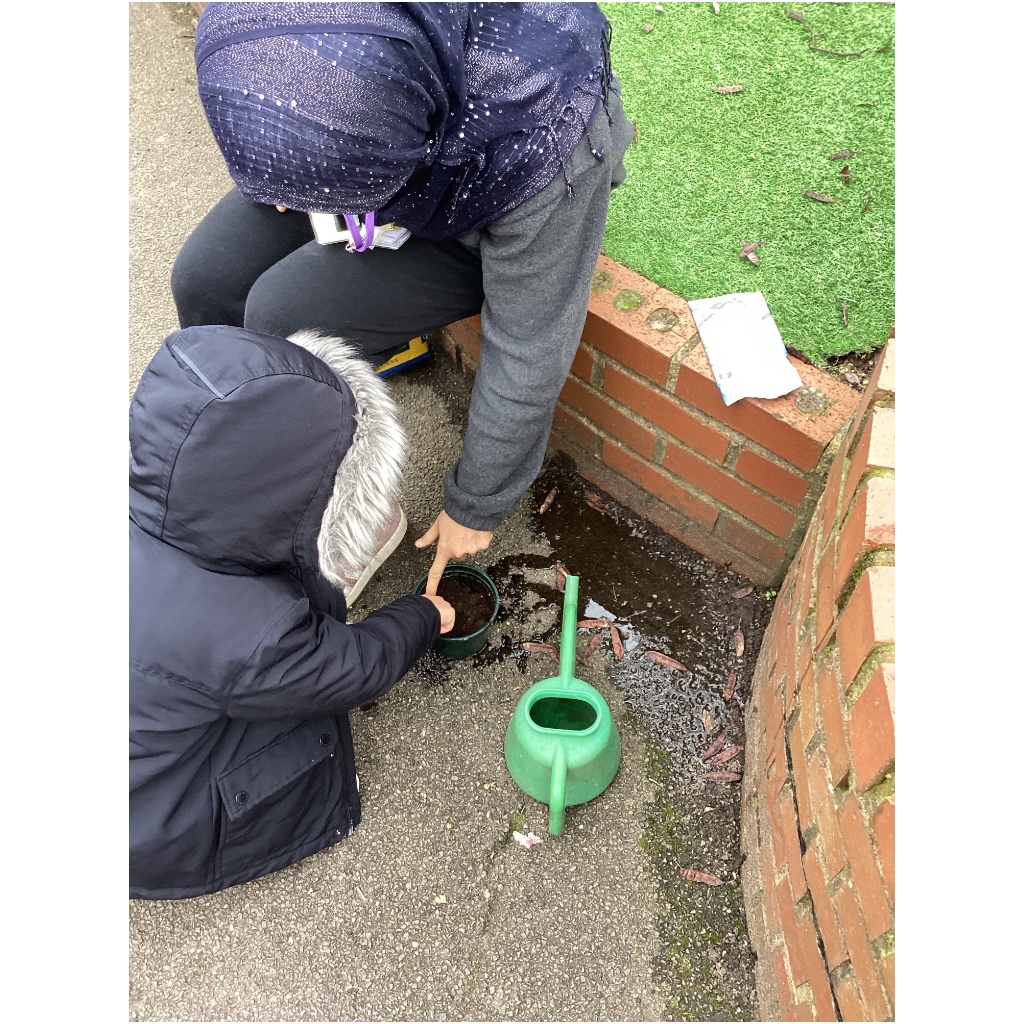
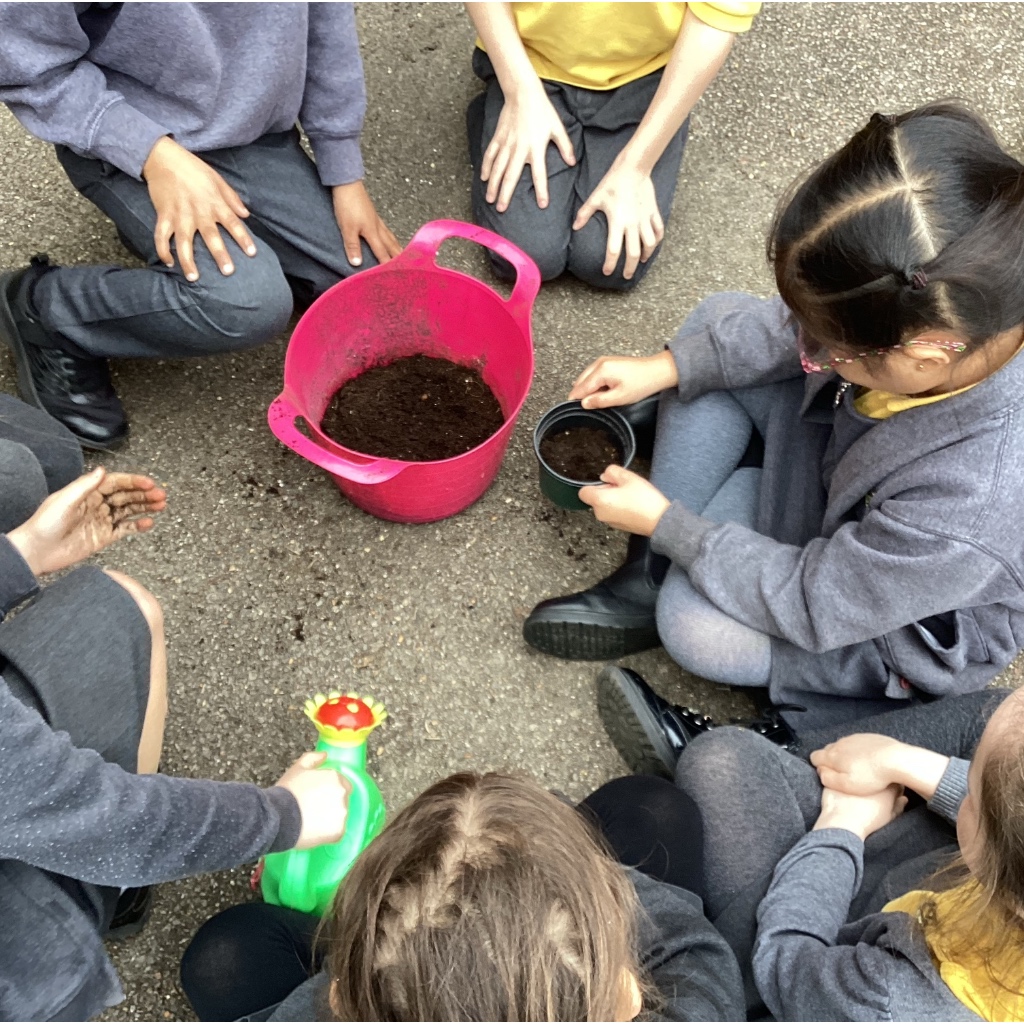
We then planted our own lettuce seeds and gladioli bulbs. Working in small groups, we shared different jobs such as filling the pots with soil, sprinkling the seeds, placing the bulbs, covering them up, and watering them. We also learned an important gardening tip: bulbs should be planted at a depth three times their height!
We loved getting our hands dirty and learning through doing. After just one week, our lettuce seeds have already started to sprout! Our gladioli bulbs haven’t appeared above the soil yet, but we know they can be a little more particular about the conditions they need to grow.
Through our investigations, we learned that plants need sunlight, water, air, soil, and time to grow well. We also explored how to spot a healthy plant: standing upright with firm green leaves and signs of flowers or fruit. We’re excited to keep observing our plants and can’t wait to experiment with changing their growing conditions to see what happens next!
How to help at home:
Here are a few ways to continue the learning at home:
-
Be a Seed Detective: Look for seeds in your kitchen (like pumpkin, sunflower, or pea seeds) and compare their shapes, sizes, and colours.
-
Grow a Plant: Plant a seed in a small pot on a sunny windowsill and watch how it changes each day.
- Healthy Plant Hunt: On a walk or in your garden, see if you can spot plants that look healthy. What clues can you find?
-