
This week, we have been developing our subitising skills, learning to recognise how many objects we can see without needing to count them one by one. We have been exploring numbers up to 10 by looking carefully at different dot patterns, saying what we see and explaining how we know how many there are.
In our previous learning, we have practised subitising using tens frames and dice patterns. These activities have helped us to recognise familiar arrangements of dots quickly and build our confidence with numbers. We have also been challenging ourselves to look at two different dot patterns, subitise each one and then add them together to find the total. For example, we might see four dots in one pattern and three in another, recognising that 4 and 3 make 7!
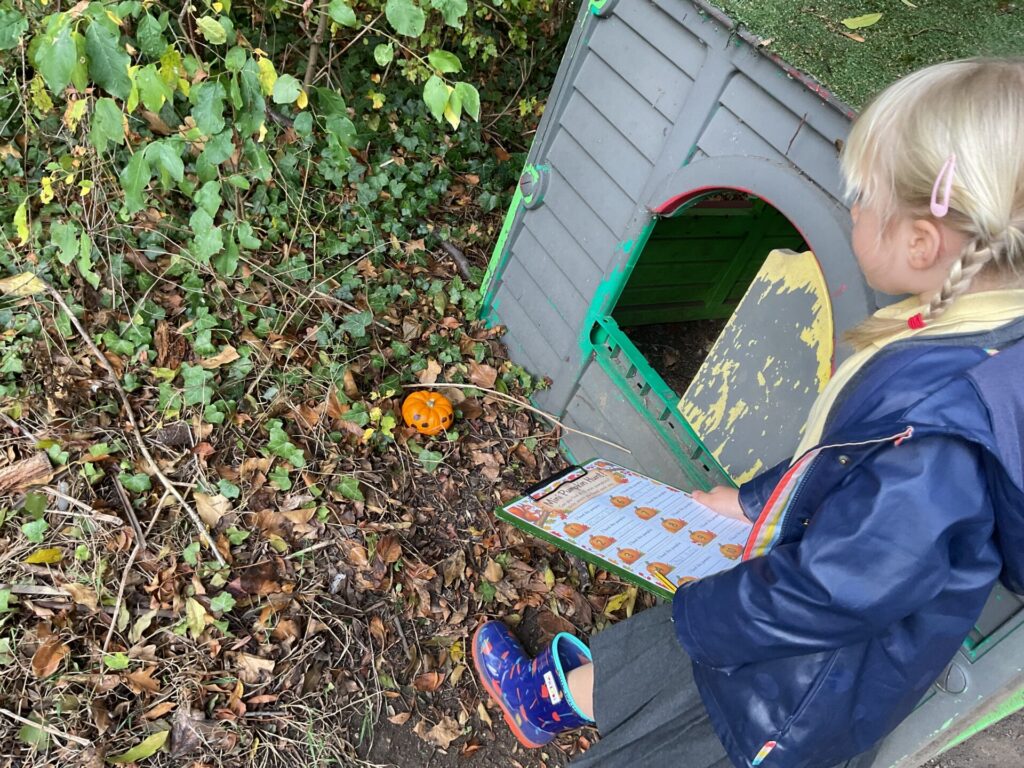
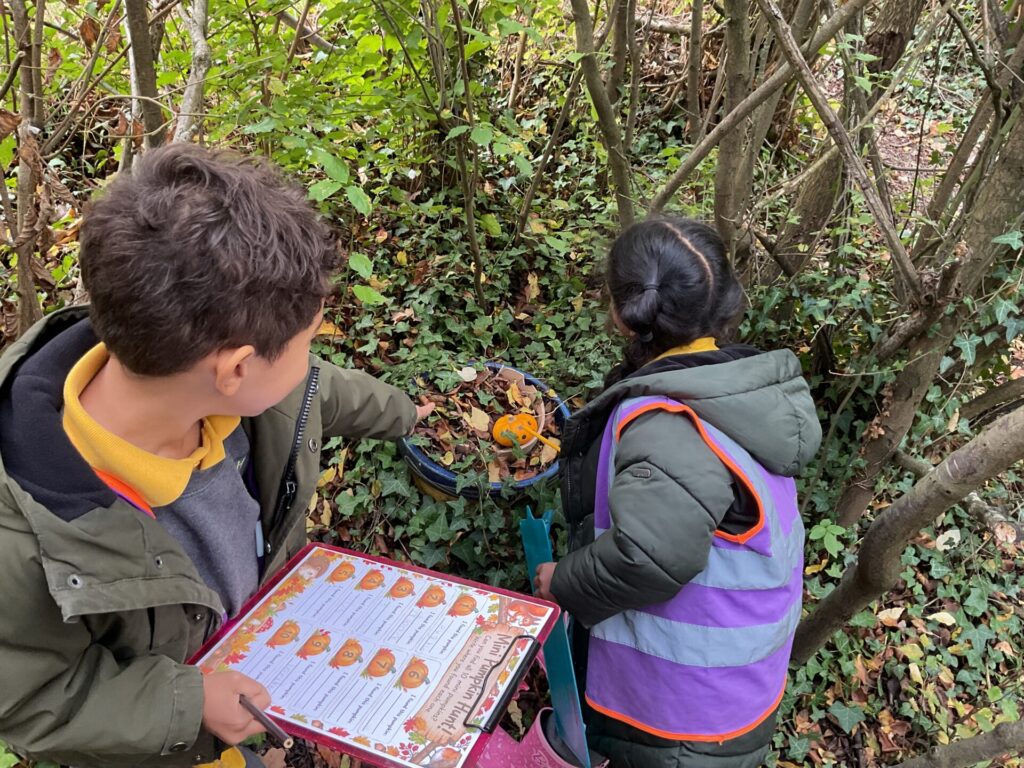
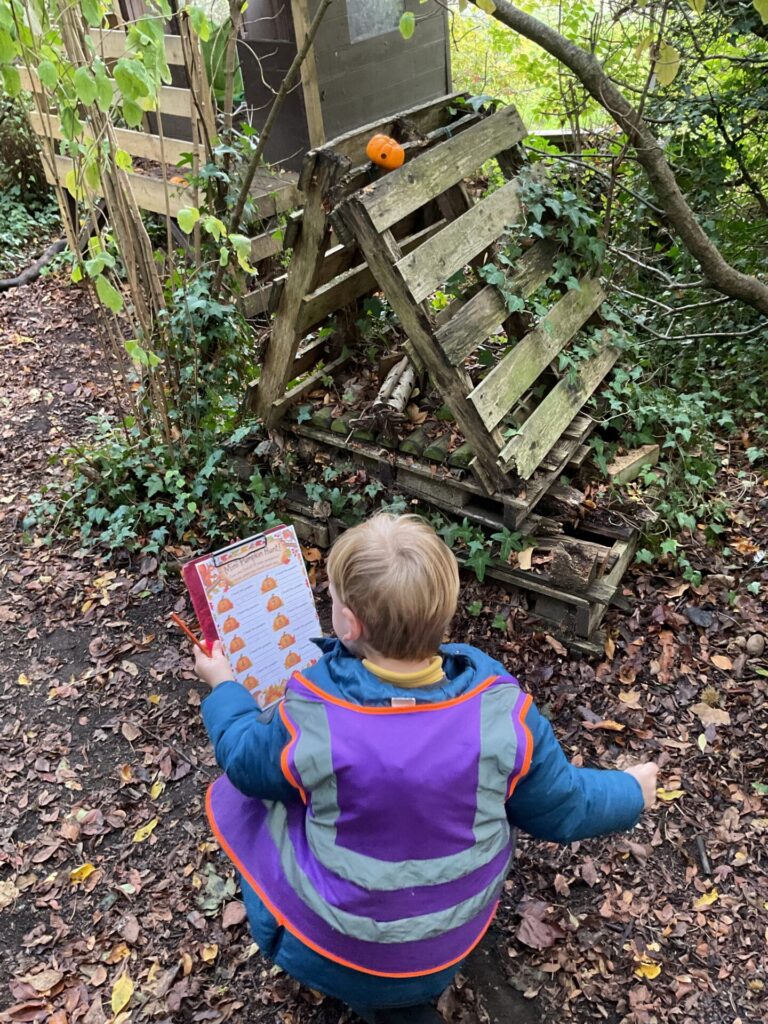
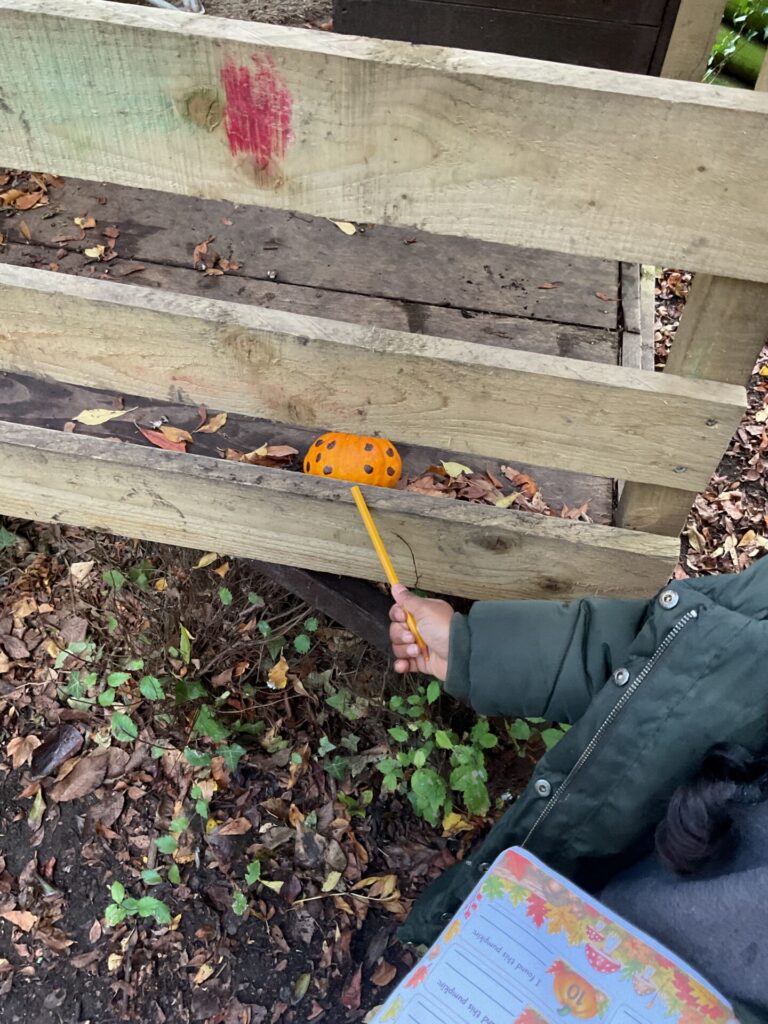
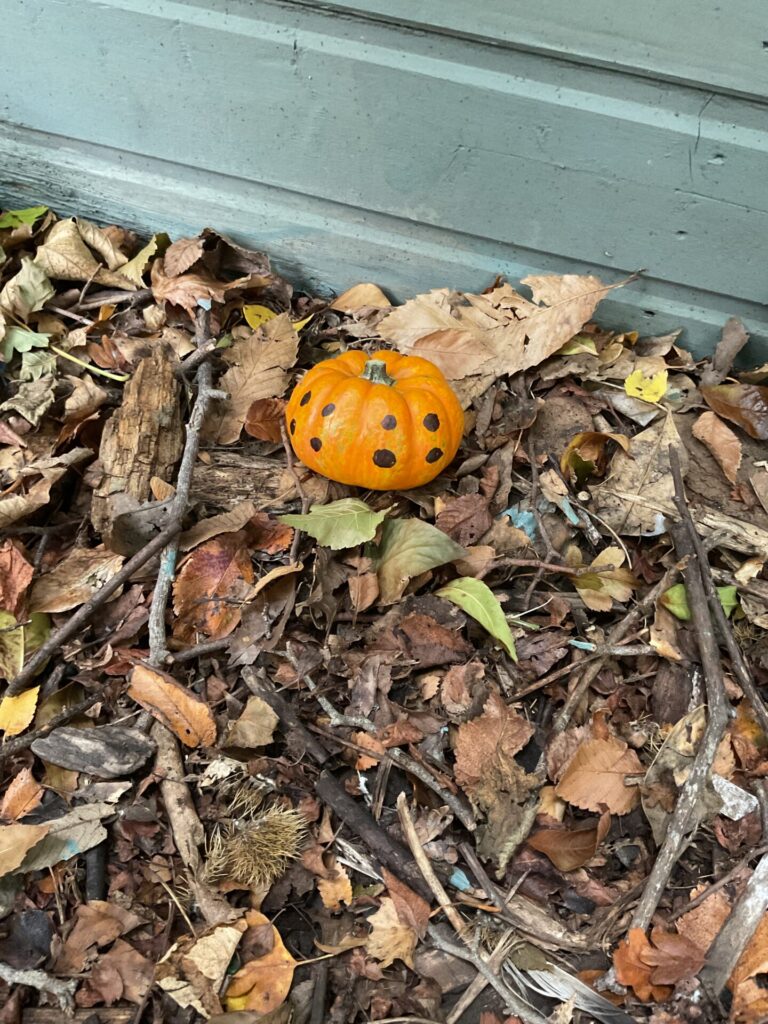
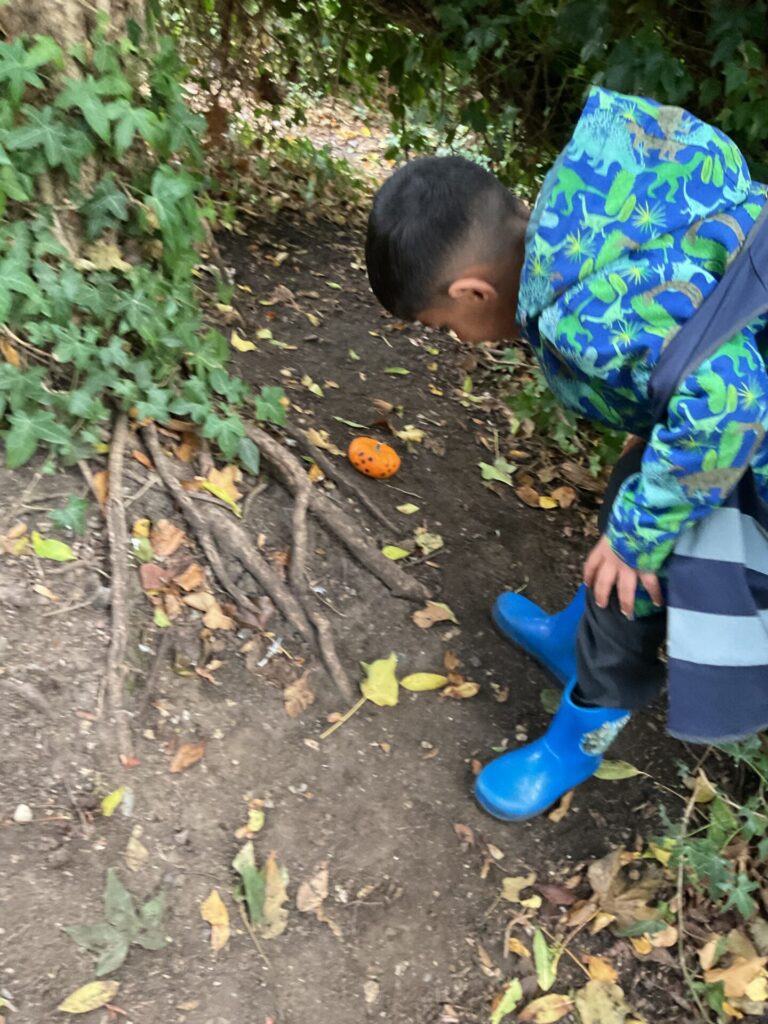
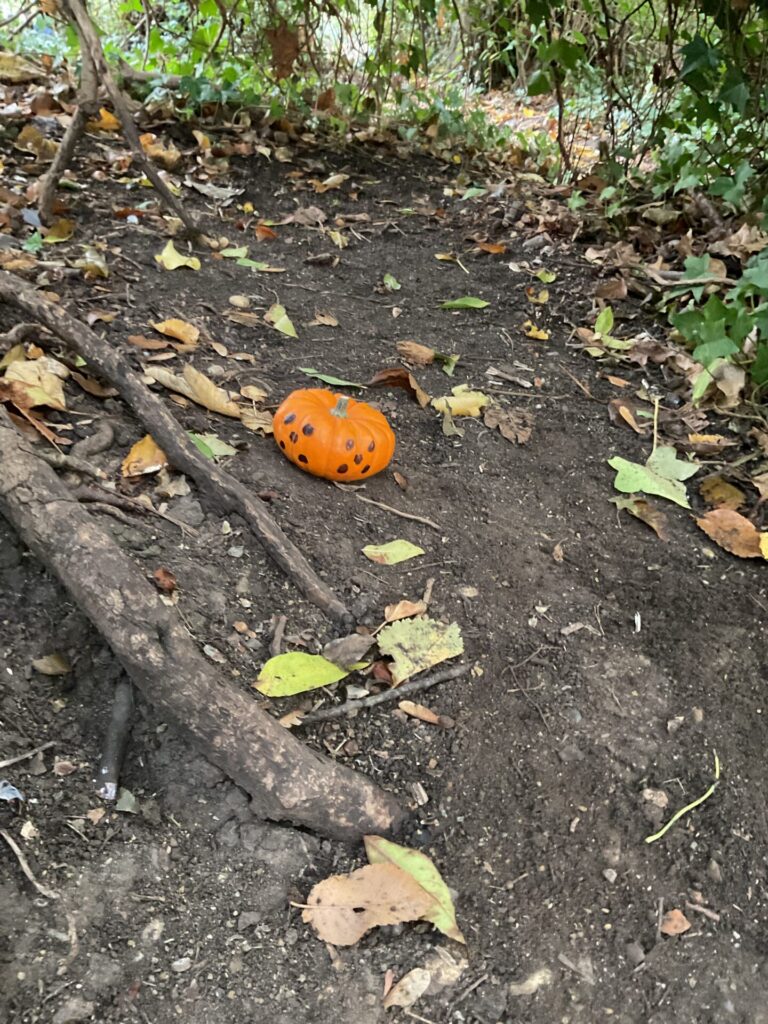
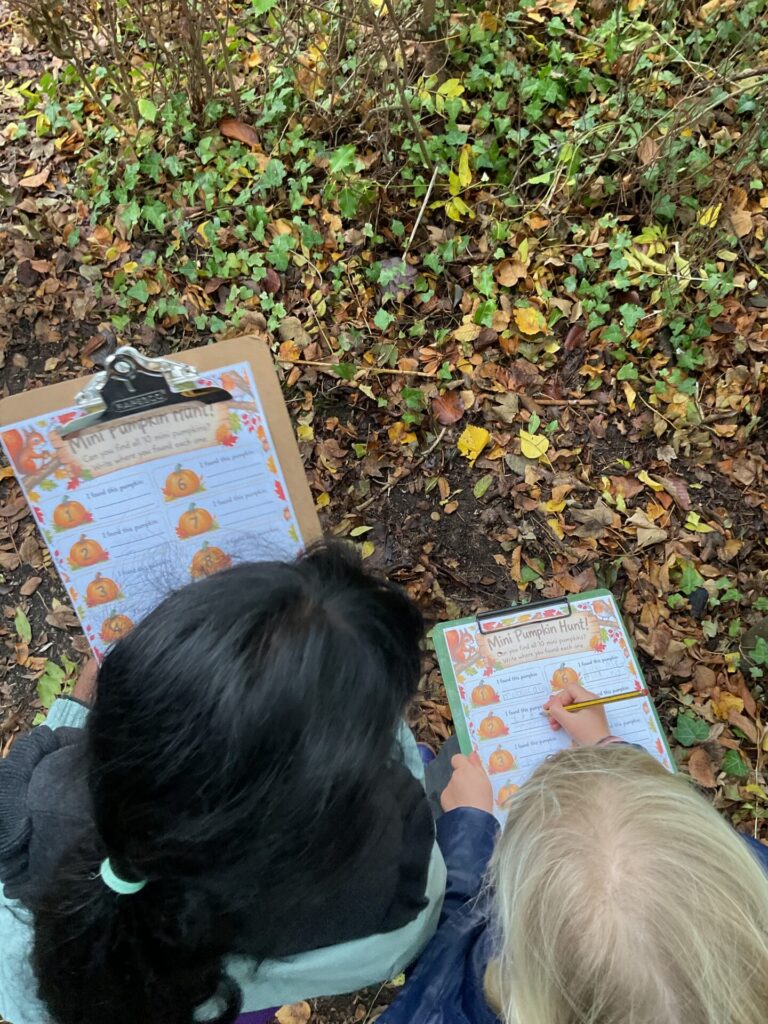
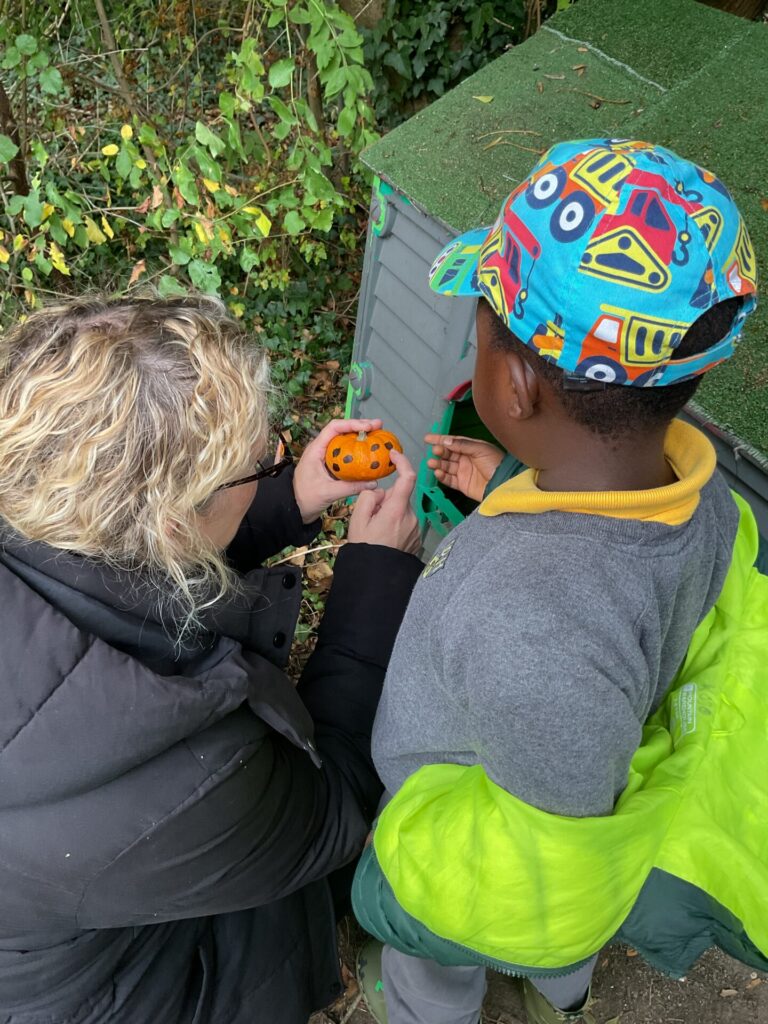
To bring our learning to life, we took our subitising skills outdoors for our final Forest School session of the half term. We went on an exciting pumpkin hunt! 🎃 As we searched through the forest, we looked closely at the dot patterns on our pumpkins and challenged ourselves to say how many dots we could see without counting each one individually.
We then extended our learning by combining two dot patterns, subitising each group before adding them together. This encouraged us to look carefully, spot familiar number patterns and use what we already know to work out totals. Learning outdoors made our maths feel like an adventure, giving us a wonderful opportunity to practise our skills in a fun and meaningful way.
We are so proud of how the children have been developing their number sense, recognising quantities and explaining their mathematical thinking. What a fantastic way to finish our Forest School sessions for this half term!
🏡 Three ways to practise subitising at home
Here are three simple activities you can enjoy together at home:
1. Roll the dice! 🎲
Roll one or two dice and ask your child to say how many dots they can see without counting them one by one. If you roll two dice, encourage them to recognise each pattern and add the two amounts together. Can they find the total without counting every dot?
2. Make your own dot patterns! 🔴
Use paper, stickers, buttons or small objects to create different dot patterns up to 10. Ask your child, “How many can you see?” and “How did you know?” Encourage them to explain how they recognised the pattern. Can they arrange the same number of dots in different ways?
3. Go on a number hunt! 🔍
Look for groups of objects around your home or garden, such as toys, flowers, stones or leaves. Arrange them in small groups and encourage your child to recognise how many there are at a glance. For an extra challenge, find two groups, say how many are in each and add them together.
Remember, the aim is to see the quantity rather than count every object. Keep it playful, celebrate your child’s mathematical thinking and enjoy spotting numbers together!
Happy subitising! 🎃🔢