This term in Year 2, we have been learning all about animals and their offspring. The children have been exploring different animal groups, learning what their babies are called, and discovering whether animals hatch from eggs or are born as live young.
We began by recalling what we already knew about the six animal groups: mammals, birds, reptiles, amphibians, fish and insects. We talked about their distinguishing features, such as whether they have fur, feathers, scales, or shells and discussed where different animals live.
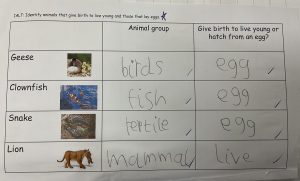
Next, we matched animal offspring to their adult forms. Did you know that baby snakes are called snakelets? The children loved learning new and unusual animal names! We also discussed whether each animal is born from an egg or as a live baby, making links to the animal groups we had already studied.
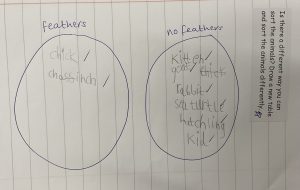
We then explored how baby animals grow and change into adults. Using our observation skills, we sorted animals into the groups adult and young. We challenged ourselves even further by finding other ways to group them, including animals with feathers and without feathers, and animals that lay eggs and animals that do not.
The children were incredibly engaged throughout the learning, and it was exciting to see their curiosity grow as they confidently shared ideas, asked questions, and discovered new facts.
How you can support learning at home:
-
Talk about animals you see in books, on TV, or outdoors and discuss what their babies might be called.
-
Sort and group toys or pictures of animals in different ways, such as by where they live or how they move.
-
Read animal information books together and look for facts about how animals are born and grow.
We are so proud of the children’s enthusiasm and thoughtful discussions during this topic and look forward to building on this learning as we continue our science journey!